Ethnomusicology

The interdisciplinary study of music within its social and cultural contexts
Sustaining Culture Through Preservation of Music

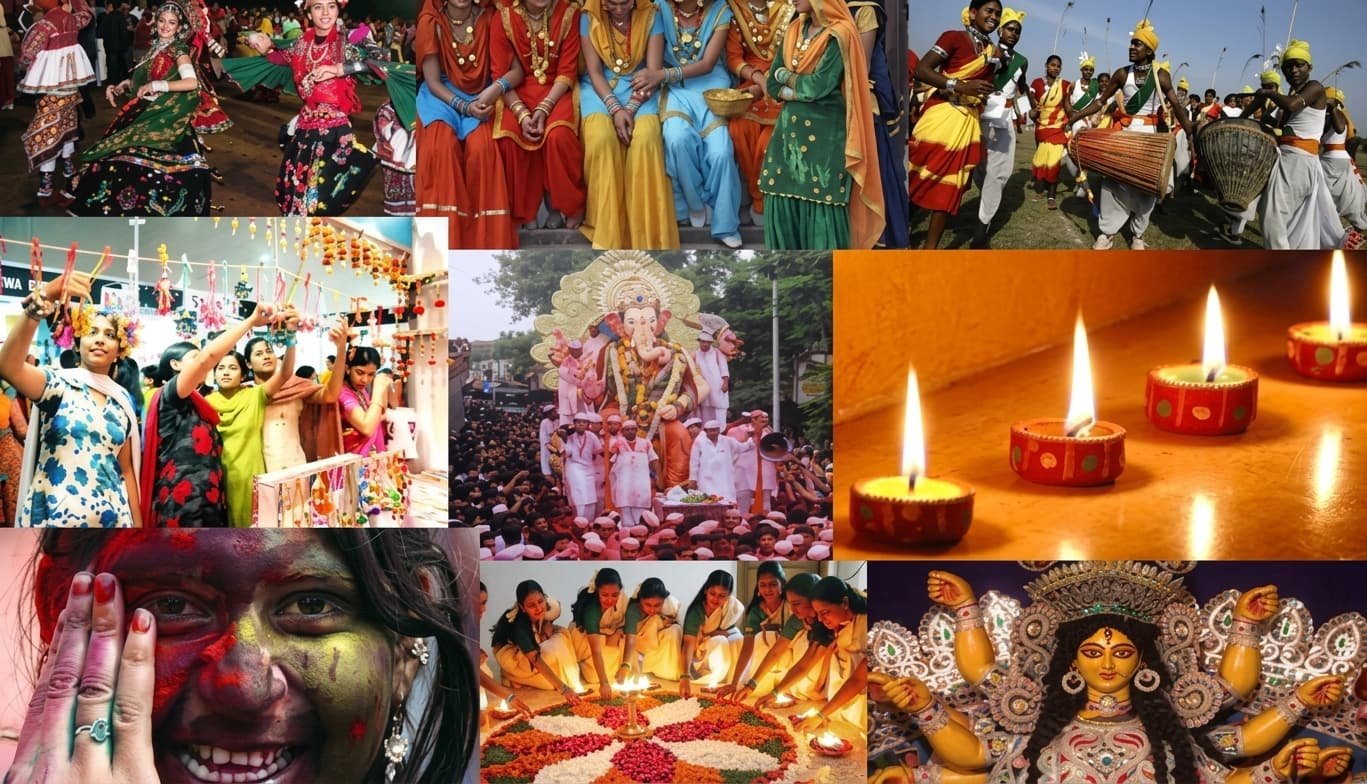
Ethnomusicology helps sustain culture by studying, documenting, preserving, and sharing music as part of a community's way of life. Instead of only analyzing the music itself, ethnomusicologists also learn about the people who create and perform it, why it is important, and how it is passed down.

Kelsey Klotz

Working at the crossroads between musicology, ethnomusicology, jazz studies, and popular music, Kelsey Klotz is especially interested in the relationships between music and identity: How does music make meaning for various individuals? How do various individuals use music and music practices to create meaning? Whose music “counts” in historical narratives? What do inclusive musical histories look and sound like? These questions guide her research, teaching, public, and service work. 

Dave Brubeck and the Performance of Whiteness touches on how audiences and critics often associated Dave Brubeck's music with qualities such as intelligence, sophistication, and respectability because he was white. His clean-cut, intellectual image appealed to college professors, suburban housewives, and "playboys," allowing many white middle-class listeners to embrace jazz as a safe, respectable, and culturally acceptable form of entertainment.

Deborah Wong

Deborah Anne Wong (born 1959) is an American academic, educator, and ethnomusicologist recognized for her studies of Asian-American and Thai music.

Wong has been a professor of music at the University of California, Riverside since 1996. She previously served as president of the Society for Ethnomusicology and founded the Committee on the Status of Women with Elizabeth Tolbert in 1996. Wong is also the president of the Board of Directors for the Alliance for California Traditional Arts. She has served on the advisory council for the Smithsonian Center for Folklife and Cultural Heritage since 2011. Wong was nominated to be a member of the National Council on the Humanities by President Barack Obama in December 2015.

Labor Songs

Songs traditionally sung while working to help coordinate tasks, maintain rhythm, reduce fatigue, and strengthen cooperation among workers.

ex: African American field hollers and work songs, and Sea shanties

Narrative Epics

Long traditional songs or chants that tell stories about heroes, historical events, myths, or cultural values and are passed down through generations.

ex: The Epic of Manas, and The Song of Roland

Ritual songs

Songs performed during religious, spiritual, or cultural ceremonies to honor traditions, mark important life events, or connect with the sacred.

ex: Gregorian chant in Christian worship, and Powwow songs performed during Native American ceremonies